

Sensory
Sensory Overload
Sensory Overload
-
Restlessness or agitation
-
Increased irritability
-
Trouble focusing or concentrating
-
Heightened sensitivity to various fabrics
-
Noticeable discomfort
-
A strong desire to protect your eyes or ears
.jpeg)
Sensory underload
Sensory Underload
-
Quick to tire or fatigued
-
Tendency towards introverted behavior
-
Feelings of detachment or dissociation
-
Flat affect (reduced emotional expression)
-
Increased fidgeting or repetitive actions
-
Restlessness or boredom

Multimodial Spaces
Multimodal Spaces can provide comfort to those with sensory processing challenges, as well as serve as beneficial relaxation areas for neurotypical individuals. The primary aim of these specialized spaces is to offer sensory stimulation and promote self-regulation for those in need. If you're interested in learning more about multisensory spaces, here are five key benefits of incorporating a sensory room in schools, homes, or public areas.
-
Sensory engagement – These spaces are tailored to meet various sensory needs by experts, featuring a mix of sensory toys and specialized equipment.
-
Enhanced concentration – Multisensory spaces are effective therapeutic environments that help boost focus and attention through various activities and interactive tools.
-
Cognitive growth – Regular sensory activities in these areas have been shown to support cognitive development by stimulating neural pathways, especially for individuals with ASD and SPD.
-
Social interaction – Using these spaces encourages better social skills, as individuals engage in cooperative play and interactions with others.
-
Improved motor skills – Active play, including jumping, swinging, yoga, and running, enhances motor skill development in a safe and supportive environment.

Get in Touch - We enjoy Helping People
Whether you have concerns about a loved one who you feel may benefit from a sensory area or your looking for something similar or something different please reach out to us and we will give you what we can in terms of advice or guidance, design or creativity or to develop something further in to a project down the line we would be happy to help.

Softplay sensory rooms are the recognised experts in Sensory solutions, providing sensory rooms, our award winning Sensory Pod calming space, as well as smaller sensory products and toys.
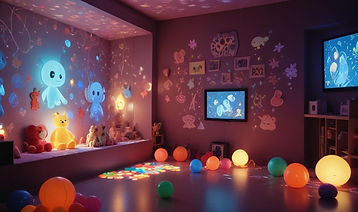
What is a Sensory Room and How Does It Work?
Imagine being in a busy store: it's loud, your personal space feels invaded, the fluorescent lights are harsh, and your anxiety starts to rise. All you need in that moment is a peaceful retreat from the sensory overload. This experience, known as sensory overstimulation, is common for both children and adults with Autism or Sensory Processing Disorder (SPD). So, how can someone cope with these overwhelming sensations? A sensory room can help by offering a space where individuals can begin to self-regulate and find calm.
A peaceful environment — Sensory rooms are designed as soothing spaces for relaxation and self-regulation. These areas are intentionally isolated from noise, with soft lighting, comfortable seating, and calming sounds like gentle music or sound machines.
Engagement and enjoyment — For those who benefit from sensory stimulation to feel centered, sensory rooms include interactive elements like sensory walls, bubble tubes, and light projectors, which provide a fun and invigorating way to engage the senses.
A versatile space — Sensory rooms aren’t just for sensory regulation; they are also used in educational settings for learning activities, by therapists for energizing sessions, and by medical professionals in hospitals for evaluations.

Benefits of Sensory rooms for everyone
Benefits of Sensory Rooms for Children, Adults, and Dementia Patients
Across Ireland, multisensory rooms are becoming essential treatment options for children, adults, and even individuals with dementia. There is an increasing recognition of the value of inclusive spaces for those with Autism, SPD, or cognitive impairments. Sensory rooms serve as a solution to a common challenge and are an appreciated addition to homes, schools, and public settings. Providing a space to either calm overwhelming emotions or engage in stimulating activities is crucial for the Autism and SPD communities.
These spaces are highly adaptable, which makes them unique. For children, they offer a fun and interactive environment filled with colors and sounds. For adults, they provide a peaceful retreat, offering a break from sensory triggers. People of all ages, cognitive abilities, and motor functions can engage in activities within these rooms. In care homes, multimodal spaces have proven especially beneficial for elderly individuals with dementia, providing sensory engagement, calming music, and beautiful light displays that assist with managing their condition.
If you're considering creating a sensory room of your own, here are several ways these spaces can support anyone:
-
Physical activity – Sensory rooms encourage physical movement with soft padding and equipment that promotes active play and physical engagement.
-
Mental health – These spaces foster peace and positivity, leading to improved mental well-being for users.
-
Cognitive health – Sensory play, activities, and therapy in these rooms stimulate cognitive function and support brain development.
-
Interoception – Regular use of sensory spaces helps individuals enhance their awareness of bodily sensations and internal cues.
-
Social skills – These spaces promote socialization through learning activities, wellness approaches, and sensory toys, encouraging communication and cooperation.
-
Proprioception – Sensory rooms also support the development of spatial awareness, balance, muscle strength, gait, and posture, addressing proprioceptive challenges.
